Yet Another Year In Reflection Article: Praxis in 2025
What I Learned From Writing SubStack Articles about Ancient Philosophy (and Other Stuff) in 2025.

Although this is probably the most common theme of every one publishing content in December, the end of the year is still a good time for reflection. When I started this SubStack this year, it was with a focus on trying to take some of my thoughts and feelings about technology, business, strategy, and development down on paper. And yes, praxis is a central theme through a lot of that. I’m happy with what I’ve published here, and happy with my process for creating content - even though I slowed down the torrent in the later half of the year, I think that’s OK. My writing is not to reach a specific goal or outcome, but to practice the process, learn the tools, and to express myself; in other words, it is rooted in praxis.
As my articles probably repeat too often, a key part of building praxis is reflection on your actions, and so while this format might be over done, welcome to Yet Another Year In Reflection Article, where I look back on the last year.
Working with AI
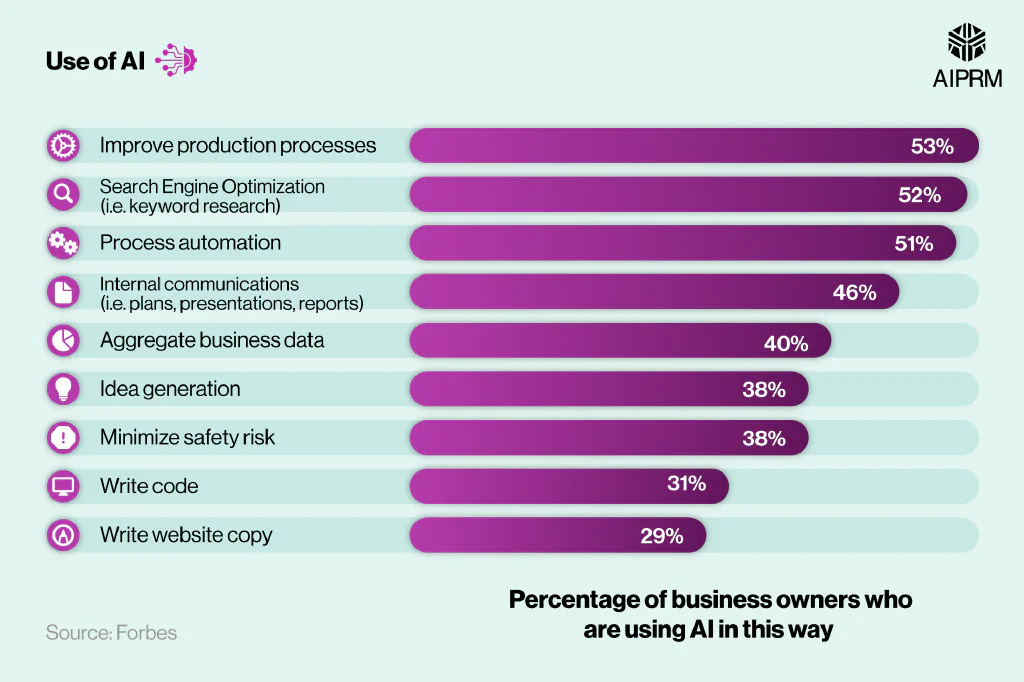
I’ve made it pretty apparent with some of my articles, but I use AI pretty extensively in my writing process. While that might turn off some readers, this was an intentional choice when I started writing. I want to explore how these tools can aid in sourcing information, generating content, editing drafts, and critiquing materials, and I think that most people who have a knee-jerk rejection of those tools are creating a blind spot for themselves. So, this year, I leaned in.
In 2025, I worked with ChatGPT, Claude, Gemini, and others in a much deeper way than I had before. Partially, this is because those tools have made leaps and bounds in their abilities, but also because I’ve started to learn how to work with the tools they offer. The value of these tools has become undeniable, even if they have issues and risks, and I think that, depending on how you view your writing, you should be leveraging them. I don’t view my writing for this site as “art”; I’m far more interested in expressing my ideas and communicating them to the reader than claiming ownership over specific phrases. Why would I care about that when most decent business related writing is quotes, misattributed quotes, and misquotes that often end in “anonymous,” as the source. Why should I worry about that when my primary content is “let me restate this idea from ancient Greece”?
I think that working with AI when writing fiction is a different matter; I’ve played with that idea and its... problematic. AI isn’t good at writing things with tone or subtext, and I think critiques of AI usage in that space are much more persuasive.
Oh, and if you are wondering: no, I did not use AI for any aspect of this post. I think that in 2026, I’ll explore playing with the boundaries between my own work and that of the AI in order to keep teasing out where it can offer the most benefit.
Beyond Blogging
I’ve had a website featuring a blog for over two decades now, but when I decided to start writing, I picked SubStack as my primary medium. While you can still find most of this content posted to my website, blogs are a pretty dead medium, and SubStack offered authoring and publishing tools I didn’t feel like recreating on my own. Its got some limitations and issues, but I think that the “subscriber” focused model is the future for anyone that is really trying to communicate with an audience any more and SubStack is a solid model. I doubt I’ll ever try and have paid subscriber tiers, but at least I can have an idea of who I’m reaching. Even if that community is small, I’m happy that I’ve made some great connections with other creators and readers.
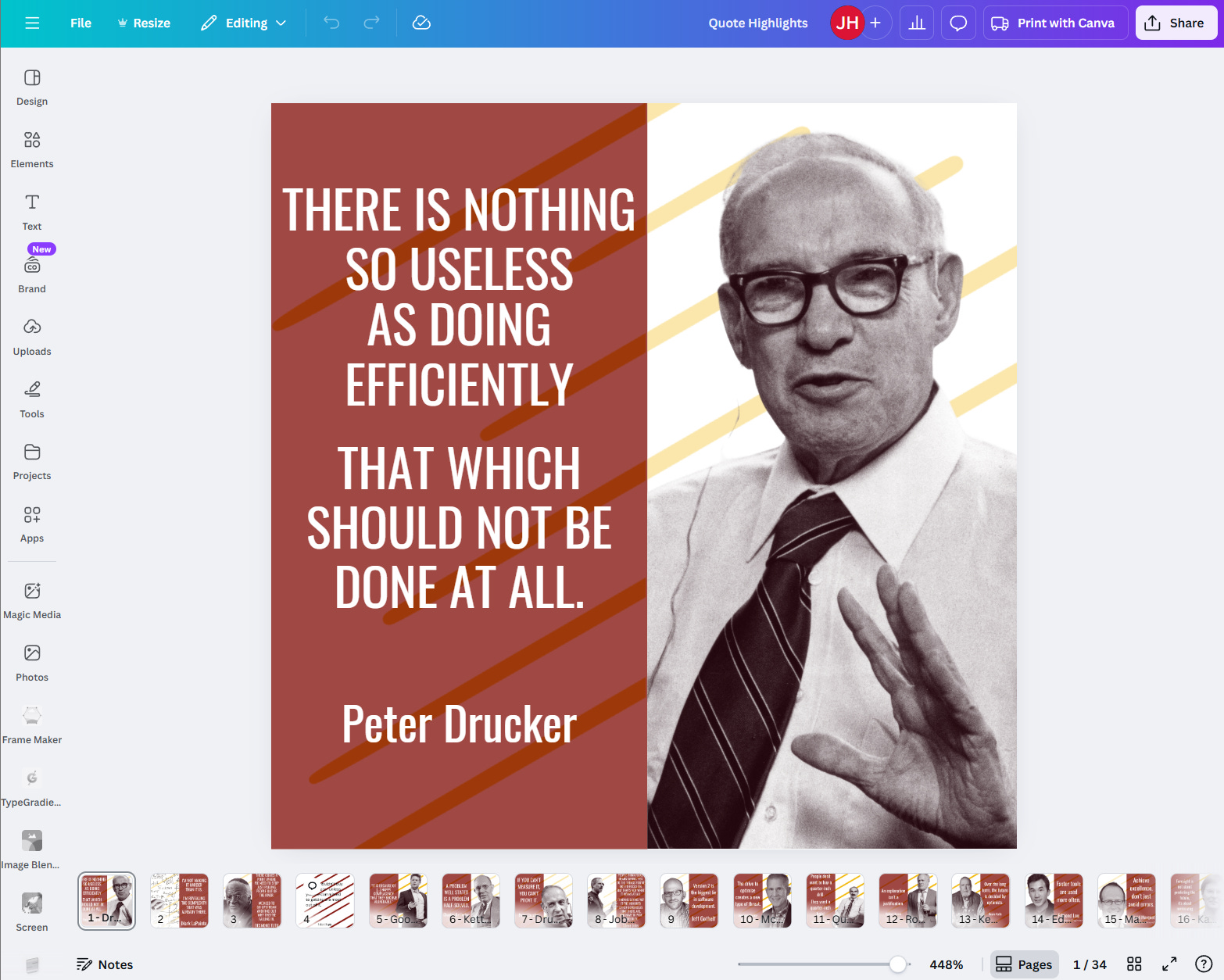
Another big learning this year was leveraging tools like Canva. At first, I was trying to use AI to generate image content for my articles, but image generation isn’t really as good as people make it out to be. I can’t use it to generate diagrams or to reliably put text labels on things, and most of what it produces is very “samey.” While visual cohesion can be helpful, fine grained control over visuals is much more important in communication than just making some filler. AI was helpful in generating some of the more whimsical illustrations in this year’s posts, but I found myself using Canva more and more so that I could build the right graphics and the right variants for social posts. I even used it to make custom t-shirt designs for friends and family this holiday, which is something that definitely would have been unapproachably hard 5-10 years ago. I’m really happy I have new tools for communication and connection.
There are a few other tools I learned this year too, such as Buffer for scheduling content publishing, and a little site called Carbon to create images of code for embedding in posts, but I think what is more interesting is what I almost forgot to mention: BlueSky. I’m part of the folks that exited Twitter as it became X (giving my my perfect username), and while I’m on BlueSky, I think it definitely has fallen short of becoming a Twitter replacement. So far is it down the list that I almost completed this article before I even remembered I’m publishing content there. *whomp, whomp* I guess we have to wait and see what might come next, although I’m happy that I tested the waters and stand by my decision to not be on X.
What About the Content?
Learning tools is nice, but what about the content itself? By the time this goes live, I’ll have published over 30 pieces this year: for a one-man operation that is doing this for fun, that is petty good. Obviously, its up to the readers to judge how good the writing was, but I’ll reiterate that I had fun publishing all of them.
My Favorite Articles
These are the three pieces that I’m most proud of from 2025.


The Ancient Wisdom of Praxis - I’m proud of this post because its really what got me started with this SubStack. The first step is always the hardest, and so while this post might not be my best work, its the most important. Praxis itself isn’t about output, but you can only build phronesis through action. This post also does seem to resonate with a number of readers, and I don’t find that surprising. The idea that there is something more going on in life than just rushing to the end goal definitely wasn’t even new for Aristotle, and its going to keep being relevant long into the future.
The Dungeon Master’s Guide to Better Business Training - This is probably my most “out there” post of the year. I’m old enough to have grown up when RPGs were nerd stuff and uncool, so talking about role-playing games in a business context still a bit unnerving for me. I’m proud that I explored the idea and I think that there is more I could do in exploring the link between role-playing and training scenarios.
JavaScript Made Me A Better Architect - Most of the rest of the content this year was development and strategy focused rather than drawing from my technical skills, and I think this is a great representation of both those skills and how I connect development concepts. Software architecture is hard, but there is a surprising amount of it that is basically just larger scale versions of other less scary concepts. I also like that I tried out using GIFs to emphasize the ideas in this post.
What I Didn’t Write
When I look back on the last year, I think its also important to consider the content I didn’t write, or choose not to release if I did. I’m found of saying that if your strategy doesn’t tell you what you wont do, it doesn’t say enough about what you will do. In other words: the things you say no to are important. Here is the short description of some content I cut, and why.
Praxis Exemplar: Uncle Iroh from Avatar - This would have featured Uncle Iroh from Avatar: the Last Airbender as an example of praxis. I cut it because although I think there is a lot to learn from Iroh, most of his actions aren’t really demonstrations of praxis, just experience and evolution. I’m happy I focused on the core ideas I wanted to communicate over something that was only fun.
It Was Praxis All Along - This would have been an “interview style” reflection on my own development and relationship to praxis. I didn’t get far in this because its a bit self aggrandizing and didn’t really help teach anything. I’m happy I considered alternative formats, but this wasn’t the way.
When Reflection Becomes Justification - A review of how the act of reflection on past events can lead to self-justification and the calcification of ideas. It is a useful warning, but the whole piece trended negative rather than focusing on growth. I’m happy that I identified a gap in directional tone before release.
The Seductive Feeling of “Progress” - The core idea for this one was the psychological phenomena that thinking about something a lot can cause our minds to feel we accomplished something, even if we took no real actions. Again, its a useful warning, but trended to a negative read.
AI Is A Red Ocean - This was an attempt to connect the current AI boom with Red/Blue Ocean strategy ideas, focusing on the idea that, as defined, Blue Oceans are often found by redefining industries into lower competition, are offshoots of boring industries, and seldom depend on technology breakthroughs. I feel most AI development fails those checks and trends into Red Ocean concepts. I shelved this one because there are some incomplete jumps in that analysis. I might revisit this one later. I’m happy that I am self aware enough to consider when I might need to know more before asserting an opinion
No Wizard Behind the Curtain: Why LLMs May Never Reach the Emerald City of AGI - I used The Wizard of Oz as a thematic backdrop for critiquing a lot of the nearly magical thinking about LLMs having a path to AGI through bigger models. While I don’t think that LLMs can lead to AGI, I shelved this because I am concerned I lack the expertise to be certain, and there is an element of “does it matter?” involved (LLMs can be really useful without AGI). I’m happy that I am self aware enough to consider when I might need to know more before making such a specific statement.
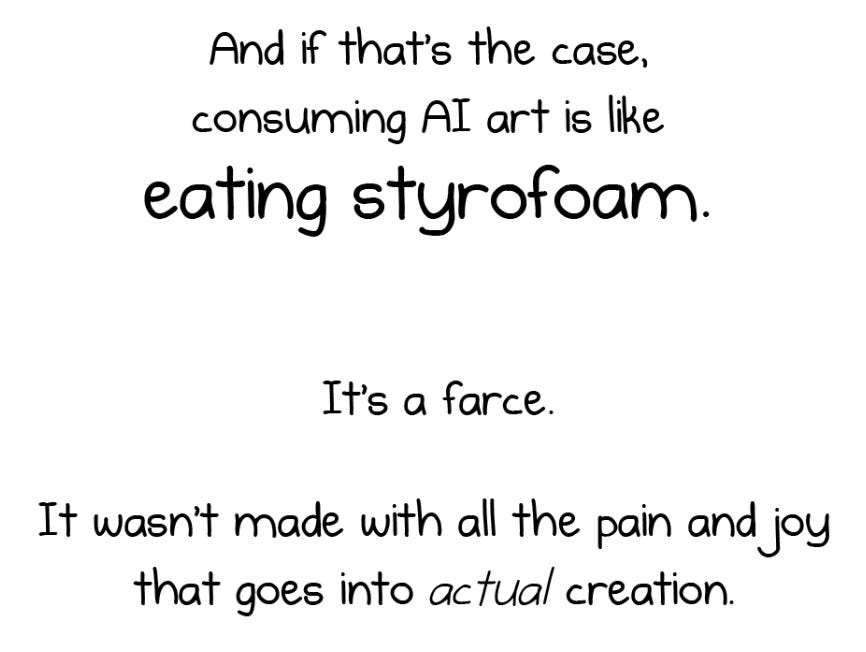
Rebuttal of The Oatmeal’s “An Artist’s View of AI Art” - As this article shows, I have been using AI a lot in my process and writing, both for research, editing, and even general content creation. The characterization of AI users by The Oatmeal rubbed me the wrong way, and I came near to writing a rebuttal, but... I agree with some his points relative to “art”, and further, nothing I can say would not make me sound like the characterization of those using AI from his writing. In the end, there is nothing to gain from writing something like that, and I’m happy I recognized it, even if writing scathing responses would have been fun.
Next Year
I’ll continue to write next year, that is for certain, and so far I have a few take ways:
Vary The Amount of AI Used - If 2025 was a get started year for writing and a lean in year for AI usage, then 2026 is going to be a period of tuning the usage of AI. I like to write, and I think that I can write well without the usage of AI, so I’m going to be doing more of that (like this post). It might also involve letting AI completely drive an article.
More Visual Communication - I love making PowerPoints, and the tooling in systems like Canva unlocks the ability to create much more dynamic visual communication aids. I’m thinking GIFs, videos, or heavily image-based content.
Praxis vs Other Topics - I’m going to need to decide if I want to focus this SubStack on the Praxis topics I’ve featured so strongly, or continue to do a mix of different ideas. I think that if I want to build a “brand” around praxis, I would need to focus my content or fork it off to a new identity, but that would require me to be practicing some poiesis and making some decisions about where I want to go rather than just exploring what I have here.
“There’s a million things I haven’t done…” - Even though I edited out a lot of ideas about AI, I’ve got more to say about that space. What technologist and business strategy wonk wouldn’t? I want to talk about the relationship between praxis and play. I want to circle back on other aspects of ancient Greek philosophy and connect them to modern business and development contents. I want to write a D&D adventure that teaches software delivery risk management.